

Legionella – Symptoms, transmission and treatment
Legionella is a bacterium that can cause the serious lung disease Legionnaires’ disease. The bacterium thrives in lukewarm water and is transmitted via inhalation of aerosolised water, for example from showers or air conditioning. Read on to get important information about Legionella, its symptoms and treatment.
What is Legionella?
Legionella is a group of bacteria, the most dangerous of which is Legionella pneumophila. When the bacteria are inhaled via tiny water droplets, they can cause a severe pneumonia known as Legionnaires’ disease.
How is Legionella transmitted?
Legionella is not transmitted from person to person. Instead, infection typically occurs by inhaling small water droplets (aerosols) from:
- Showers and hot tubs
- Air conditioning and ventilation systems
- Cooling towers and industrial water systems
- Taps and hot water tanks
Symptoms of Legionella infection
Legionella infection can cause two types of disease:
- Legionnaires’ disease: A severe pneumonia with symptoms such as high fever, dry cough, shortness of breath, muscle pain and headache.
- Pontiac fever: A milder flu‑like illness without pneumonia.
Treatment of Legionella
Legionnaires’ disease is treated with antibiotics, typically macrolides or quinolones. Early treatment is crucial for a good outcome. In severe cases, hospitalization may be necessary.
Prevention of Legionella
To reduce the risk of Legionella, it is recommended to:
- Maintain and disinfect water systems regularly
- Heat domestic water to at least 50–60°C
- Flush rarely used taps and showers
- Avoid stagnant water in pipe systems
FAQ on Legionella
What are the first signs of Legionella infection?
The first signs include fever, fatigue, muscle aches and dry cough. The symptoms can progress to severe pneumonia.
Can you test for Legionella?
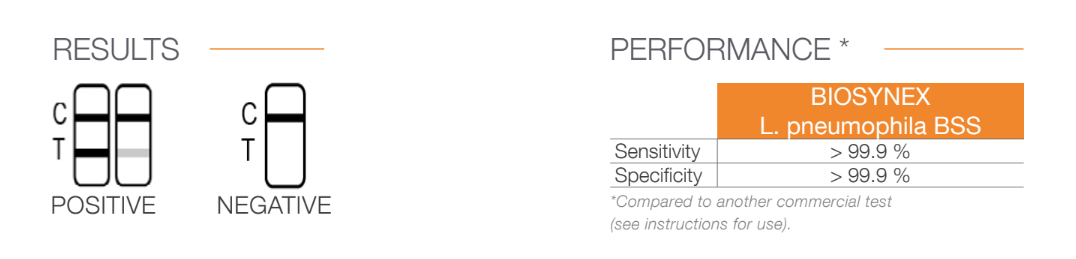
Yes, there are laboratory tests for Legionella in urine and respiratory secretions that can confirm the infection.
How can I protect my home against Legionella?
Keep hot water above 50°C, clean and use taps regularly, and avoid stagnant water in the pipes.
Is Legionella dangerous?
Legionnaires’ disease can be serious, especially for older people and those with weakened immune systems. Early treatment with antibiotics is important.