HIV home tests in Denmark: Why are pharmacies the only ones allowed to sell them?
In Denmark, pharmacies are currently the only ones allowed to sell HIV self-tests. This is a problem that goes beyond convenience – it is about accessibility, safety, and life-saving health information. In this article, we take a closer look at the issues with the current regulations and why they must be changed so that HIV self-tests become accessible to more people, including through NGOs and professional online providers.
What is an HIV self-test?
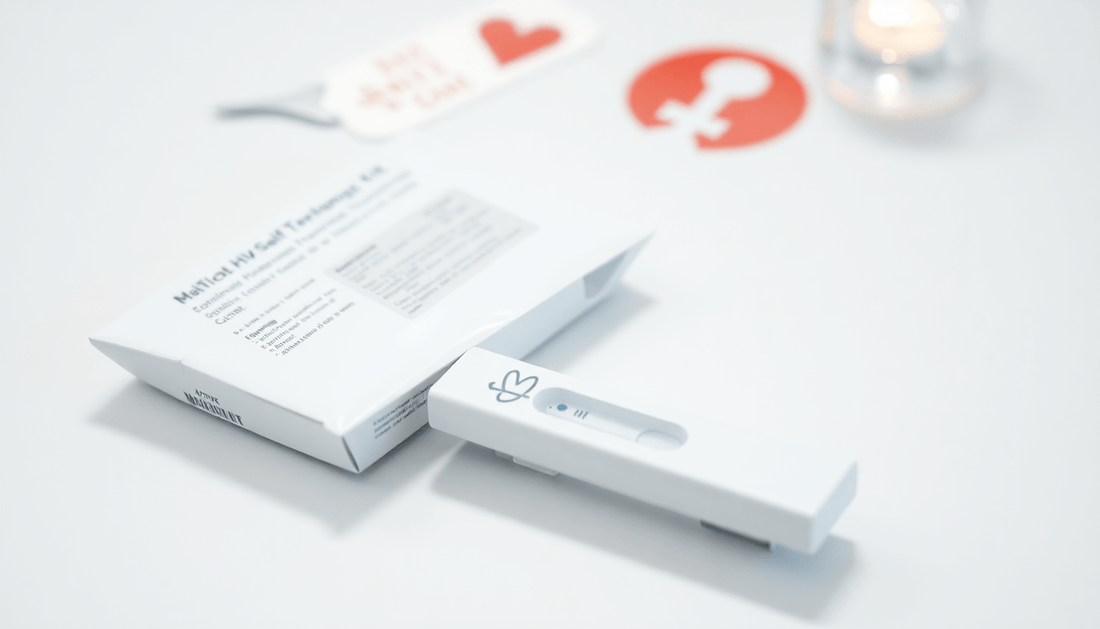
An HIV self-test is a rapid test you can perform at home to find out whether you are infected with HIV. The test provides results in a few minutes and is reliable when used correctly. For many, this is a much more comfortable and accessible solution than going to a clinic or doctor. Especially for people who fear stigmatization, lack access to the healthcare system, or feel unsafe in traditional healthcare settings, a home test can be an important first step.
Why is it a problem that only pharmacies are allowed to sell HIV self-tests?
Access, anonymity, price and information are four key reasons why a broader distribution model should be allowed.
NGOs are not allowed to sell the test – but foreign webshops are?
The current regulations prevent Danish NGOs from selling self-tests, even though they provide information and support. At the same time, it is possible to buy tests from abroad without any guarantee of CE marking or correct use.
The time has passed for the old debate
The latest HIV self-tests are CE-approved and far more accurate than earlier versions. It is time for an updated discussion on accessibility and public health.
Conclusion: A new direction for common sense
HIV self‑tests should be widely available in Denmark – including through professional Danish online providers.