
HIV self-testing and CE marking: What do you need to know as a purchaser?
When your organization needs to purchase HIV self-tests for use in health projects, screening initiatives or counseling services, it’s crucial that you choose safe and approved products. But what does it actually mean when a test is CE-marked – and what else should you pay attention to as a purchaser?
What is CE marking – and why is it important?
CE marking means that the product meets the EU’s requirements for safety, quality, and performance. For HIV self-tests, it is your guarantee that:
- The test has been validated through clinical studies
- The results are reliable and the sensitivity is high
- The instructions for use are clear and approved for private individuals
- There is traceability and quality control in the production
Professional use vs. self-test for private individuals
Many rapid tests on the market are intended for professional use, for example in hospitals. These must not be sold to private individuals without a healthcare background. When you buy B2B, you must ensure that the test is approved for self-testing and not only for “self-sampling” or professional use.
What do WHO and EU regulations say?
WHO recommends that HIV self-tests used in screening programs either meet WHO prequalification standards or be CE-marked under the EU IVDR regulation. This ensures a common global standard – and is important if your organization works with international partners or funding.
What are the risks of choosing the wrong test?
- False reassurance from false-negative results
- Unnecessary worry due to false-positive results
- Ethical and legal responsibility if the tests do not meet requirements
- Neglected target group – especially vulnerable people who need clear, reassuring instructions
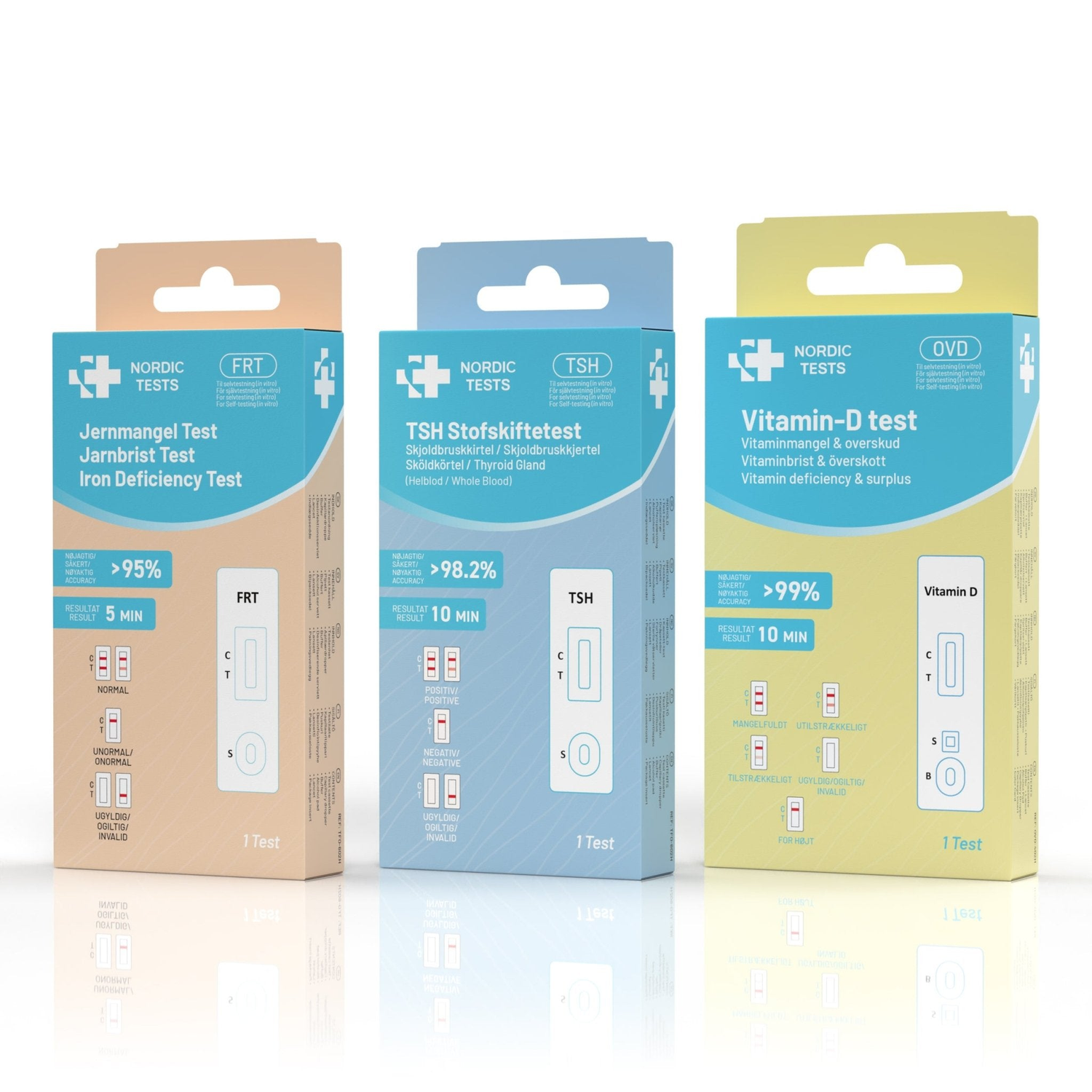
The benefits of shopping with Nordic Tests
- Only approved and documented products
- Danish support and guidance – both before and after purchase
- Option for volume discounts and long-term collaboration
- Discreet and fast delivery – directly to your organization