

Candida Albicans: Symptoms of bacterial vaginosis and vaginal yeast infection
Bacterial vaginosis is a common condition among women caused by an imbalance in the vaginal flora. Typical bacterial vaginosis symptoms include a thin, grayish discharge with a characteristic odor, especially after intercourse. There may also be mild irritation and burning in the area.
Symptoms of vaginal yeast infection
Symptoms of vaginal yeast infection are often characterized by itching, a thick white discharge and redness in the area. Many women also experience pain during intercourse or urination, which can be very uncomfortable. The condition is usually not serious, but it can be extremely bothersome if not treated promptly.
How does bacterial vaginosis differ from a vaginal yeast infection?
Although both bacterial vaginosis and vaginal thrush can cause irritation and discomfort, they have different causes and symptoms. Bacterial vaginosis is often associated with a strong odour and thin discharge, whereas vaginal thrush typically presents with thick, lumpy discharge and intense itching.
FAQ: Frequently Asked Questions
-
What can cause vaginal itching if it’s not thrush?
Vaginal itching can also be caused by irritation from soap, perfumes or hormonal changes, especially during menopause.
-
How is bacterial vaginosis treated?
It can often be treated with a short course of antibiotics, which restores the natural balance in the vagina.
-
What are the first signs of a vaginal yeast infection?
The first signs are often itching and slight redness around the vaginal opening, which can develop into more intense symptoms.
-
Can diet affect the risk of vaginal yeast infections?
Yes, a diet high in sugar can increase the risk, while probiotics may help prevent it.
Find relief and support
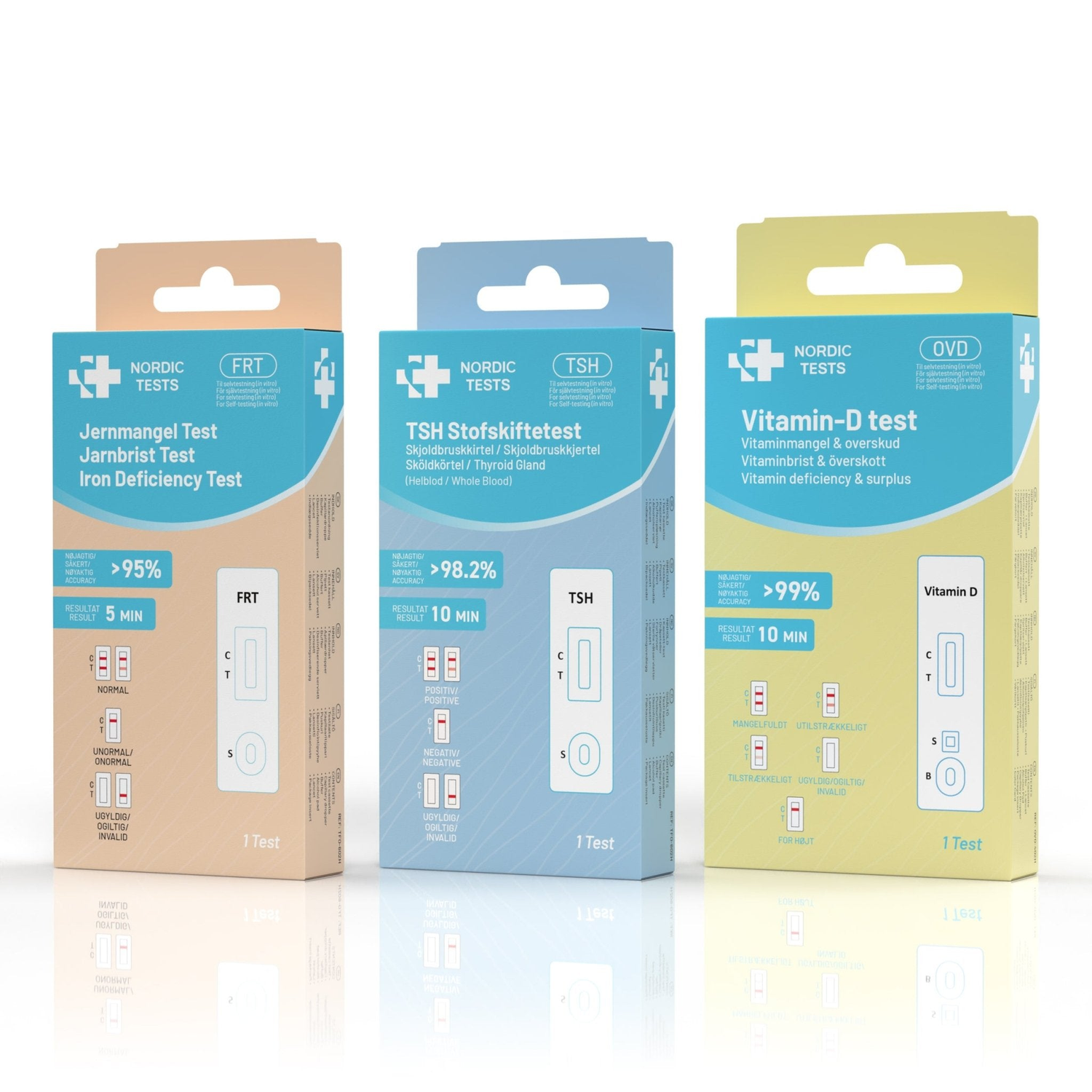
If you experience any of the symptoms mentioned, it may be helpful to get a thorough assessment of the cause. There are discreet home-use solutions that can help you understand and manage the problem.