

Ovulation and Calculation of Ovulation: A Guide
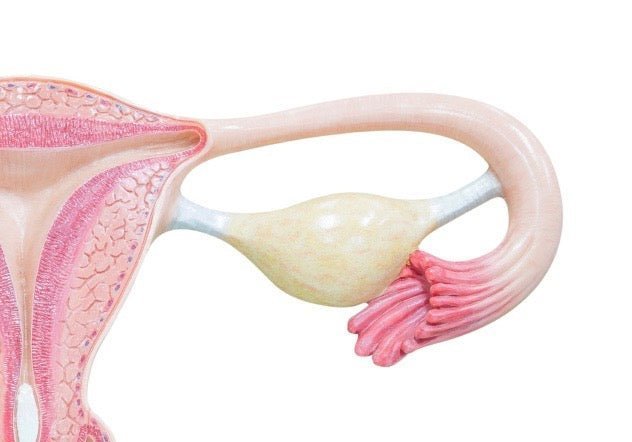
For many women who want to become pregnant, it is important to understand ovulation and know when in the cycle it occurs. Ovulation is the part of the menstrual cycle when an egg is released from the ovary and is ready for fertilisation. By using an ovulation calculator, you can easily find out when ovulation is most likely to occur. This guide will give you insight into your cycle and ovulation and how you can use tools to calculate ovulation.
When Does Ovulation Occur?
For most women, ovulation occurs in the middle of their menstrual cycle, often around day 14 in a 28-day cycle. But since not everyone has a cycle of exactly 28 days, the timing of ovulation can vary. Ovulation when depends on your individual cycle length. Knowing your cycle is important for predicting your most fertile days.
How to Calculate Ovulation
You can easily calculate ovulation using a simple ovulation calculator. To use the calculator, you need to know the length of your cycle, which is the number of days from the first day of your period to the day before your next period begins. The calculator will typically use your cycle length to predict when you are most likely to ovulate. It is recommended to track your cycle over several months to obtain an accurate calculation.
Using the Ovulation Calculator
An ovulation calculator can be a valuable tool for those trying to conceive. The calculator estimates the most fertile days based on your cycle information, which can increase the chance of achieving pregnancy. When you understand your cycle and know when ovulation occurs, you can plan around the fertile days.
Ovulation and the Menstrual Cycle
It is important to understand how ovulation and the menstrual cycle are connected. A typical menstrual cycle lasts between 21 and 35 days, but varies from person to person. Ovulation usually occurs in the middle of this cycle, and the most fertile days are the days leading up to and just after ovulation. Tracking your cycle over time can give you a clear picture of your most fertile days each month.
Frequently Asked Questions About Ovulation
When does ovulation occur in a normal cycle?
Ovulation typically occurs around day 14 in a 28-day cycle, but it can vary depending on the length of the cycle.
How does an ovulation calculator work?
An ovulation calculator estimates the most fertile days based on your cycle length and the first day of your last period.
What signs indicate ovulation?
Some women experience changes such as increased discharge, mild pain or discomfort in the lower abdomen, and increased libido around ovulation.
Why is it important to know when you ovulate?
Knowing the time of ovulation can help couples who are trying to conceive to plan the best times for intercourse.