

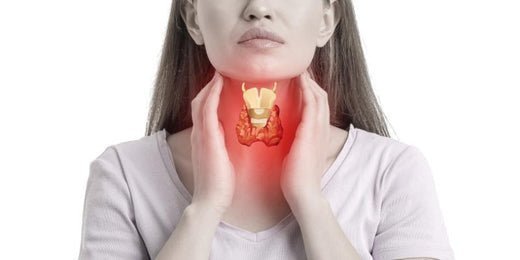
Hypothyroidism: Here are the symptoms
Hypothyroidism, also known as an underactive thyroid, is a condition in which the thyroid gland does not produce sufficient amounts of thyroid hormones. This can lead to a range of symptoms and health problems. This article provides an in-depth look at hypothyroidism symptoms, causes, and hypothyroidism treatment, as well as whether the condition can be hereditary.
What is hypothyroidism?
Hypothyroidism affects the body’s ability to regulate energy levels, temperature and metabolism. It can lead to fatigue, weight gain and other symptoms that can vary in severity. Understanding treatment of hypothyroidism is crucial for improving quality of life for those suffering from this condition.
Symptoms of hypothyroidism
Common hypothyroidism symptoms include:
- Tiredness and reduced energy.
- Weight gain without changes in diet or exercise.
- Dry skin and hair loss.
- Cold hands and feet thyroid: Reduced blood circulation can lead to a constant feeling of cold.
- Reduced memory and concentration.
If you experience these symptoms, it is recommended to take a blood test to diagnose the condition and consider treatment for low thyroid function.
Hyperthyroidism symptoms
It is also important to distinguish between hypothyroidism and hyperthyroidism. Typical hyperthyroidism symptoms include:
- Unexplained weight loss.
- Heart palpitations and anxiety.
- Excessive sweating and restlessness.
Although the symptoms of low and high thyroid function differ, both conditions are related to the function of the thyroid gland and require proper diagnosis and treatment.
Årsager til lavt stofskifte
Hypothyroidism can be caused by several factors, including:
- Autoimmune diseases such as Hashimoto’s thyroiditis.
- Iodine deficiency or excessive iodine intake.
- Genetic factors – is hypothyroidism hereditary? Yes, there is a genetic component that can increase the risk of hypothyroidism in families.
Identifying the cause is an important step in choosing the right treatment for hypothyroidism.
Treatment of hypothyroidism
Treatment for hypothyroidism usually involves lifelong medical therapy to restore hormonal balance. This includes:
- Hormone replacement such as levothyroxine, which mimics the thyroid gland’s natural hormones.
- Dietary adjustments to ensure sufficient amounts of iodine and selenium.
- Regular blood tests to monitor treatment and adjust the dosage.
Early diagnosis and proper treatment for hypothyroidism can help prevent complications and significantly improve quality of life.
Frequently asked questions
- What are the symptoms of hypothyroidism? – Hypothyroidism symptoms include fatigue, weight gain and cold hands and feet due to low thyroid function.
- Can hypothyroidism be treated? – Yes, proper treatment for hypothyroidism involves hormone therapy and lifestyle adjustments.
- Is hypothyroidism hereditary? – Yes, there is a genetic component that can increase the risk.
- What are the symptoms of hyperthyroidism? – Hyperthyroidism symptoms include weight loss, heart palpitations and restlessness.