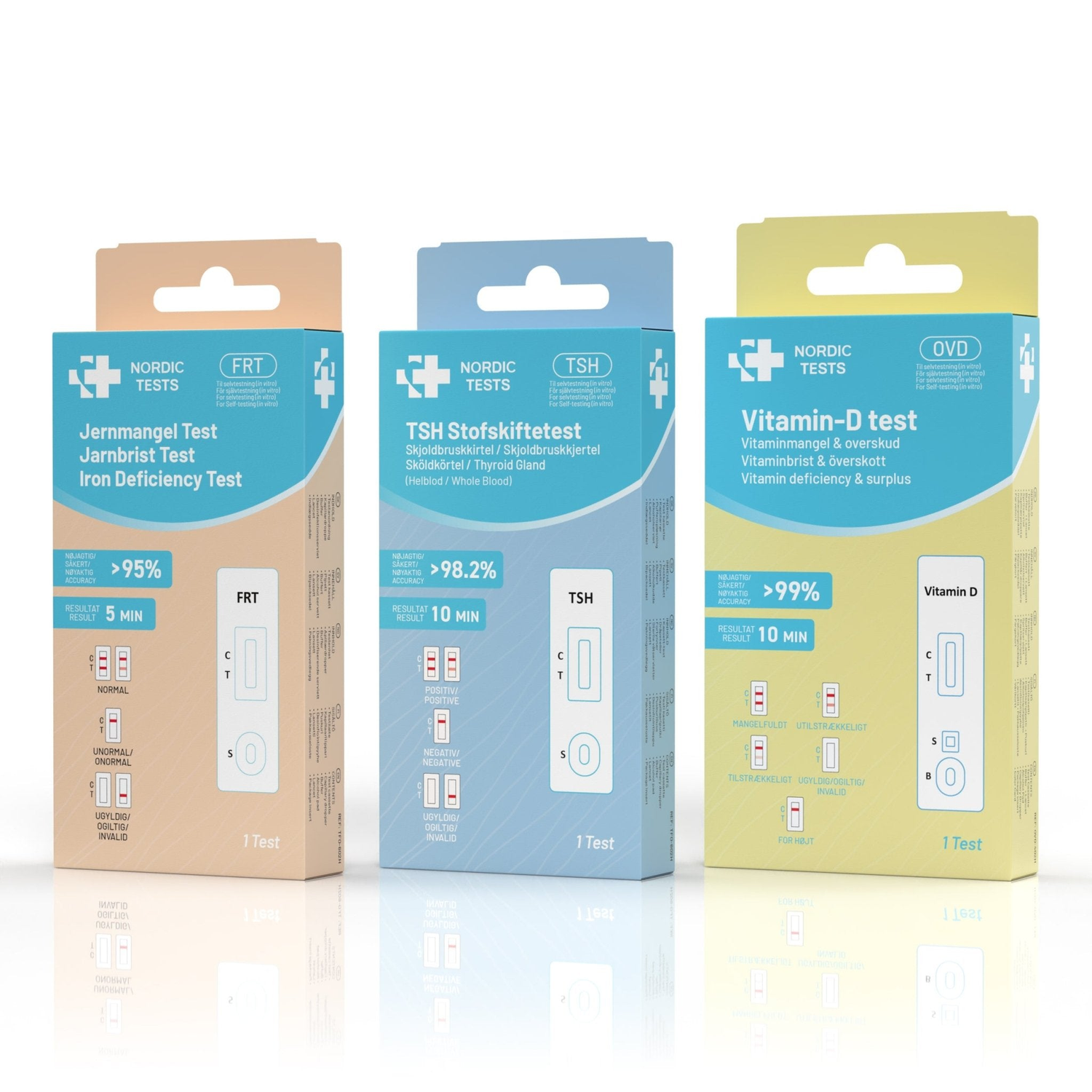


Vitamin D: Symptoms of deficiency and overdose
Vitamin D deficiency symptoms can vary, but the most common include fatigue, muscle weakness and an increased risk of infections. Many people also experience symptoms such as vitamin D deficiency fatigue, bone pain and, in severe cases, the development of rickets, a condition that affects bone development in children.
What happens if you get too much vitamin D?
Although vitamin D is essential for the body, excessively high levels can cause problems. Too much vitamin D symptoms include nausea, vomiting, constipation, and in severe cases kidney damage. If you suspect too much vitamin D symptoms, you should consult a doctor for guidance.
Vitamin D and its role in the body
Vitamin D is essential for bone health, as it helps the body absorb calcium. A deficiency can lead to vitamin D deficiency symptoms such as weak bones, muscle pain and, in some cases, myopathy, a condition that causes muscle weakness.
What is rickets, and how is it related to vitamin D?
Rickets is a condition that primarily affects children and is caused by a severe deficiency of vitamin D. The condition leads to soft and deformed bones, which can have long-term consequences for the child’s development. Ensuring adequate levels of vitamin D through diet or supplements is crucial to preventing this disease.
FAQ: Ofte stillede spørgsmål
-
How do I know if I’m deficient in vitamin D?
Symptoms such as fatigue, muscle weakness and frequent infections may be signs of vitamin D deficiency. A blood test can confirm this.
-
Is it possible to get too much vitamin D?
Yes, excessive intake of supplements can lead to high levels of vitamin D, which can damage the kidneys and cause nausea.
-
Is it possible to get enough vitamin D from the sun alone?
Sunlight is an important source of vitamin D, but in the winter months supplements may be necessary, especially in the Nordic countries.
-
Which foods are rich in vitamin D?
Fatty fish such as salmon, mackerel and tuna, as well as egg yolks and fortified foods, are good sources of vitamin D.